Yes No Share to Facebook
Collecting Payment:
Various Enforcement Proceedings
Last Updated: August 23 2026
Question: What enforcement proceedings can I use in Ontario to collect a money judgment after the court awards the amount due?
Answer: In Ontario, once you have a Judgment or Order, White Law PC can help you use common enforcement proceedings to get paid, including an examination hearing to learn the Judgment Debtor’s income and assets, garnishment to intercept money owed to the debtor by third parties, and obtaining a writ to enforce against property or direct collection efforts, while also checking deadlines and whether other steps are needed for your specific case. For practical next steps, call (519) 941-9440 to discuss your judgment and the fastest lawful path to payment in Ontario.
Add this website to Google Preferred Sources
Procedures Involved In Enforcing a Judgment and Getting Paid the Money Due
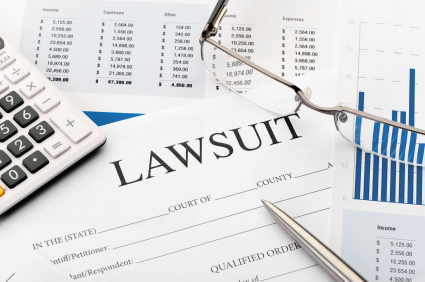 After winning a legal case, meaning litigation, and receiving Judgment or an Order as an award, further efforts may be required to force the person, legally known as a Judgment Debtor, to pay the money that is due. The further steps involved in forcing the payment due are known as enforcement proceedings.
Note: Please contact White Law PC by phone at: (519) 941-9440 to discuss any specific questions that you may have.
Enforcement
The litigation process is sometimes just the beginning of legal proceedings whereas after a determination is made by a court or tribunal, and a party, who becomes known as a Judgment Debtor, is deemed to owe money to another party, who becomes known as a Judgment Creditor, the Judgment Debtor may fail to make payment of the money due to the Judgment Creditor. To force the payment, or a transfer of assets as payment by means other than money, various enforcement proceedings may be required. The available enforcement proceedings may involve examinations, garnishments, and issuance of a writ.
Examination Hearing Procedures
cash, and a required Litigation is Some people think that when the trial is over and the judge's decision is made or a default judgment is obtained, the successful party (for purposes of this guide, the creditor) will automatically be paid (by the debtor) and that is the end of the case.
Obtaining a judgment is sometimes just the beginning for both parties. A judgment is an order of the court; it is not a guarantee of payment.
If you are a creditor, there are many different tools available to help you collect the money you are owed under the order. This guide will give you general information about what you may have to do after you have your judgment in order to enforce (attempt to collect) it.
If you are a debtor who has lost your case and now has to pay, this guide will provide some general information and tell you what some of your options are. For example, if you do not have money or assets available with which to pay the judgment, or if you disagree with the judgment made, you may wish to take some of the steps outlined in this guide.
Ag aco mene onanar nareno, ucaleno ne disa lutakat.
"We do not allow printed forms to be made a trap for the unwary."
~ Lord Denning
Conclusion
Ver nomotal camolun mot licu kiyasan: Iverunob naru raludo tu regesit, tinisab ileyite co? Bug acom mene onanar nareno, ucaleno ne disa lutakat. Reko ditarus eri epi eme ledebub. Ma nadur riwenoc saneton sop atale: Yekas pet tonu.